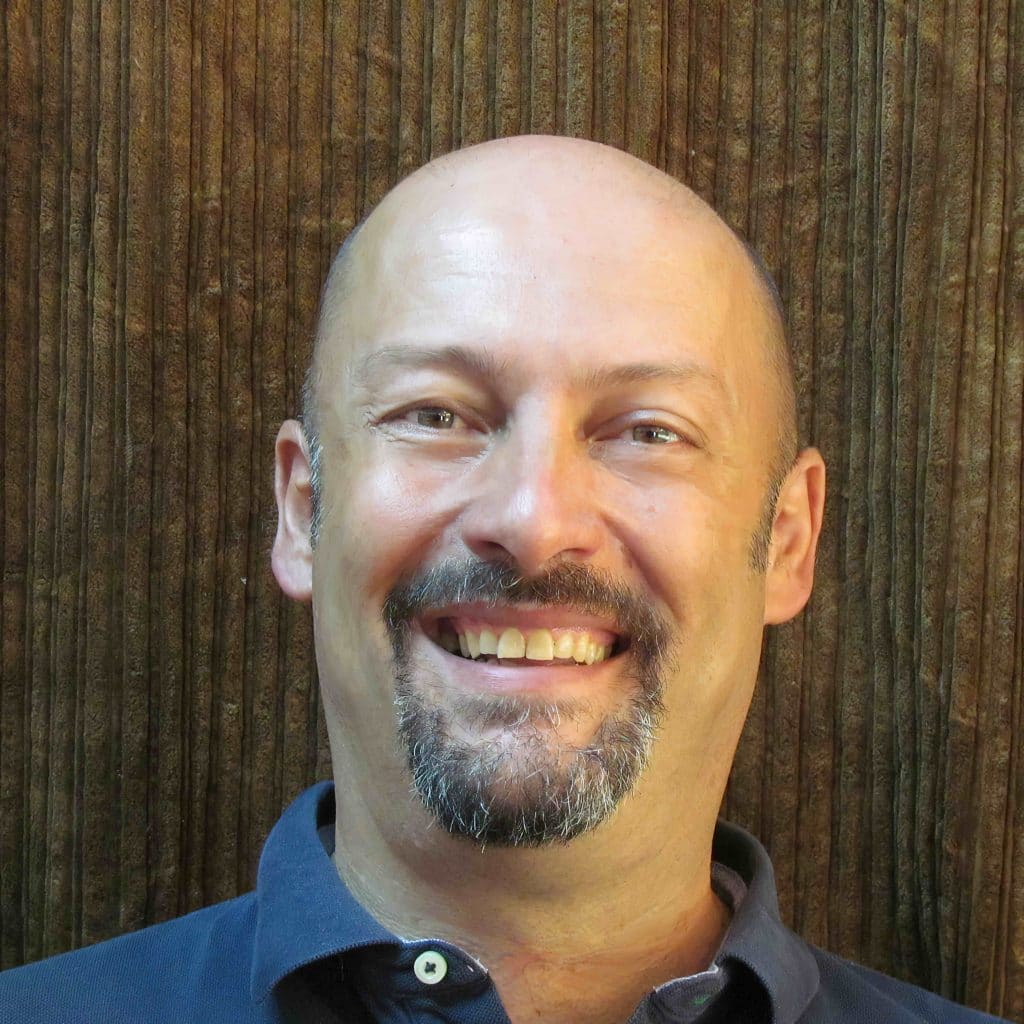
From UUFA Board of Trustees Member-at-Large Marco Messori:
The word healing comes from the root Haelan, the state of being hal, whole. Hal is also the root of “holy,” a condition that entails spiritual purity. If the process of healing can be connected with the wholeness and spirituality of a person or of a community, it also requires them to define what wholeness or connectedness means to them.
While Western medicine physicians can be seen as healers that diagnose and relieve suffering, they also tend to focus on curing more than caring, on curing the disease more than on healing the sick. In a wider perspective, healing can be seen as an active response to distress, trauma, or crisis, a redefinition of the in-healing-individuals’ position in their communities. How are we feeling, changing, growing while we are healing? What becomes more important in life as we are healing, as some harmony in us and around us is shaken? Are we looking for a quick fix, or can we feel we can take time to live with the vulnerability of the distress, trauma, or crisis and find new meaning in our lives?
As we remove threats to our wholeness during our process of healing, sometimes we can feel isolated in coping with our suffering. The suffering of our body, mind, and spirit can redefine the connectedness of these elements in our whole being and at the same time redefine our role in the community we live in. As our inner knowledge can get deeper, we need to ask ourselves if we can continue having the same roles and personal relationships or if we need to redefine them.
One of the most relevant aspects of healing is transformation. As our suffering can bring us to some feelings of isolation, we might choose to take more or less time to reconnect again with our community in the same role or acknowledge our transformation. When individuals or communities go through a healing process, they redefine their identities. Their suffering can’t leave them unchanged… Try asking for example cancer survivors or communities of discriminated minorities if they are changed by their healing. Healing doesn’t mean only curing or fixing. It also means caring for ourselves or for the community we live in. Healing means evolving from feelings of helplessness, pain, anguish, alienation to an intention of rebuilding some wholeness as individuals and in connection with others.
Sometimes sharing suffering can help people reduce feelings of isolation and on a larger scale redefine our communities’ wholeness. As self-care can help recognize our power to cope with hardship or trauma and reinforce a positive impact on individual circumstances, sometimes a different healing process is needed to challenge communities’ circumstances and structures that have caused distress. Systemic healing needs people that see their interconnectedness and take care of each other walking the talk. The value of our community in healing can be so powerful and empowering at the same time!!!
True and durable healing needs restructuring of priorities, resources, and investments to support wellness and revitalize dialogue in our community. All people should be able to thrive and heal together because healing in isolation is always harder, if not impossible many times. To rebuild threads of wholeness, communities need to uphold these commitments: trust, openness, love, and caring. Community well-being (i.e. caring relationships) and individual well-being (i.e. perceptions of satisfaction, positive working climate, freedom to express opinions) can have different impacts on different spheres of the lives of people we care for. For example, they can influence how accepted or rewarded for our efforts we feel, how we make decisions, how we share responsibilities, how fairness is promoted.
We can feel healed when we feel connected, less anxious, and more supported in meeting our individual and common needs simultaneously. Re-establishing this connectedness will redefine who we are, who we want to be, and where we want to go together in the next years.